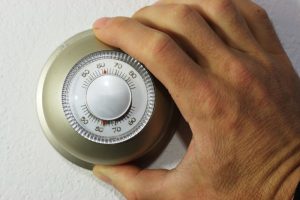
 We are pretty fortunate in our area that we don’t have to deal with the severely cold temperatures that homeowners contend with throughout other parts of the country. As a result, you don’t have to worry about your heating system too much, right? However, even if our heater usage is relatively brief, don’t you want to do everything possible to save energy, and subsequently, money?
A faulty thermostat, or even how you use your thermostat, can play a big role in this—not only as winter approaches and we start using our heaters but also during the cooling season. We’re here for you when you do need expert service and advice, but in the meantime we’d like to help you understand a bit more the relationship between your thermostat and HVAC system, so you know when to call our team for help.
 Wouldn’t it be nice if someone could create an HVAC system that was completely noiseless? Trust us, if they invented this we’d be first in line to install them! But the fact of the matter is, you’re going to hear your furnace making noises. You’ll hear the ductwork fluctuating as temperatures change, and you’ll hear your furnace cycling on and shutting off, plus the whoosh of air coming through your vents.
 If you’re looking for a new furnace this time of year, then you understandably have a lot on your plate. And with options to consider like what fuel type to use, the AFUE vs. HSPF ratings, whether to go with electrical or gas, etc. you may be tempted to go with the first furnace that fits your budget just to get the process over with.
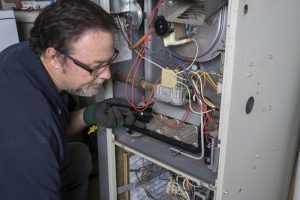 Are you worried that your furnace system might break down at any moment? If you skipped maintenance this year, and/or you don’t know the signs that your furnace needs repair, then we understand the worry.
 What if we told you there was a way to increase your home comfort while also lowering your heating and cooling bills? There are actually a variety of simply steps you can take to boost your HVAC system’s efficiency, and with winter coming up we’re sure you’d love to know how to save on heating costs.
 Okay, it was still in the 90s last week… so why, exactly, are we talking about heating?
 Whether we’re talking about your forced-air cooling system, furnace, or heat pump, you need to change your air filter. This is an important part of maintaining your HVAC system and should be done every 1-3 months depending on the type of air filter and the level of contaminants in your home.
 The official end of summer is near, and while you may be ready to welcome cooler temperatures outside soon as well as the chance to stop using your air conditioner as often, this is no time to forget about your air conditioner, or its repair needs.
 Have you ever heard someone say that it’s okay for an air conditioner to operate louder on a muggy day, because it’s “working harder?” Unfortunately, even if it was an HVAC technician that told you this, it’s just not true. Nor does a grinding noise mean that your system is just “warming up.”
 The short answer to this is “yes.” But don’t worry, we’ll elaborate below.