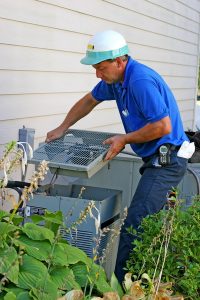
 The last thing you want to do as a homeowner is to pay more for your utility bills than you need to, right? Well, if you aren’t keeping up on your air conditioning maintenance each year, this is exactly what can happen! Maintenance reduces repair needs by as much as 85% throughout the lifespan of the system, and also helps the unit work more efficiently, and last longer.
That said, even with maintenance, an aging air conditioner (10-15 years old) or even a newer AC with a defect or damage of some kind, may need a repair, and it’s important that you know the signs! One of these signs is strange noises–and the one that usually alarms people the most is screeching. So what does it mean if your air conditioner is doing this?
We’ll answer the question in more detail below, but it essentially means that your cooling system’s motor needs attention from an HVAC professional. Read on as we dive into what screeching means for your AC, and explain what other sounds could mean for the system.
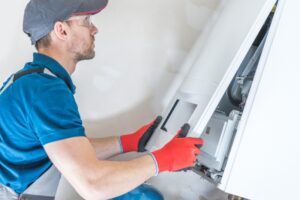
 If you’ve ever read our blog, you might have seen us mention the importance of scheduling HVAC maintenance—we recommend this service in the spring for your air conditioner, and in the fall for your heating system, because these are right before you will need those systems the most.
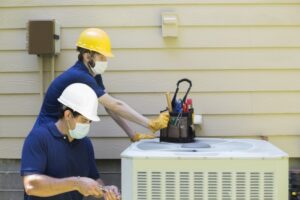
 The official end of summer is upon us, and soon enough you will be using your heating system to keep you warm. True, our winters aren’t nearly as dramatic or even as long as winter is for our neighbors up north. However, cooler temperatures can certainly leave you and your household uncomfortable without a properly cared for heater.
 As we come to the official end of summer, it can be really easy to dismiss your cooling system needs. While it stays warmer longer in our part of the country than in others, it’s still only natural to look forward to when you can start using your air conditioner less and less. But what if you need
  Maybe you think something like this is out of your control. HVAC systems account for half of all energy use in a home, so how could you possibly use yours efficiently? Is this an oxymoron?
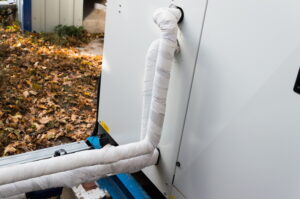 Do you know how air conditioning refrigerant works? You probably know that it helps the cooling process, but what you might not know is that it is 100% responsible for the cooling process. The air that comes through your room vents and brings the temperature down cannot happen without refrigerant.
 Have you ever noticed that your air conditioner doesn’t seem to be working quite right? Maybe you’re tempted to put off calling for repairs. If your air conditioner is still running, just not as well as it could be, this is understandable. You want to save your summer vacation money, after all! But unfortunately, delaying repairs could leave you with an even costlier problem, and potentially even the need for premature system replacement.
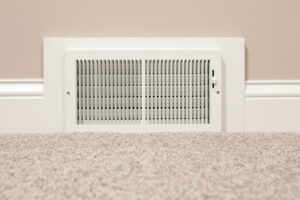 If you’ve come across this blog post, we’re going to take a guess and say that you’re in the market for a new cooling system. Whether you’re considering having a different type of air conditioner installed, or replacing your old one for the same type, we believe it’s worth your time to consider the benefits of a heat pump system.
 If we have all learned anything over the past year as homeowners, it’s that we might need a little help with our indoor air quality. With the spread of a global pandemic and lives being literally halted by an airborne virus, we’ve learned a lot about sanitation and what that means when we’re at home. Now, before we go any further, there are no indoor air quality products or services that will guarantee to completely eradicate COVID-19. But there are products and services you can invest in that will certainly lower the risk of virus transmission, as well as the transmission of bacteria, allergens, and other pollutants that can make their way into your home.